Healing Trauma, Restoring Hope: Eliot’s Approach to CPT for PTSD
Featuring Insights and Quotes from Kerry Rivard, Director of Evidence Based Treatment; Jessica Aleman, North Shore CBHC Clinician; Taylor Horyn, North Shore CBHC Clinical Supervisor; Evan Rosenberg, TriCity CBHC Clinician; and Jordan Bodwell, TriCity CBHC Clinician
June 27th — National PTSD Awareness Day — reminds us that trauma touches countless lives. At Eliot, we strive to ensure that recovery is always within reach. One way we turn this belief into reality is through Cognitive Processing Therapy (CPT): an evidence-based, deeply person-centered treatment that helps people reclaim life from PTSD.
This article is the first in a two-part series featuring insights from a roundtable with Eliot CBHC clinicians and an interview with a client whose life has been transformed through CPT.
CPT: A Proven Pathway Out of PTSD
CPT is a highly structured, time-limited therapy that directly addresses the ways trauma reshapes how people see themselves, others, and the world. Unlike some approaches that require re-living painful memories in detail, CPT helps clients safely unpack how trauma drives rigid, damaging beliefs — and gives them concrete tools to change those beliefs for good.
“CPT just gets at what PTSD really is. Clients tackle self-beliefs about trust, safety, blame — and over time, those beliefs lose their power.”
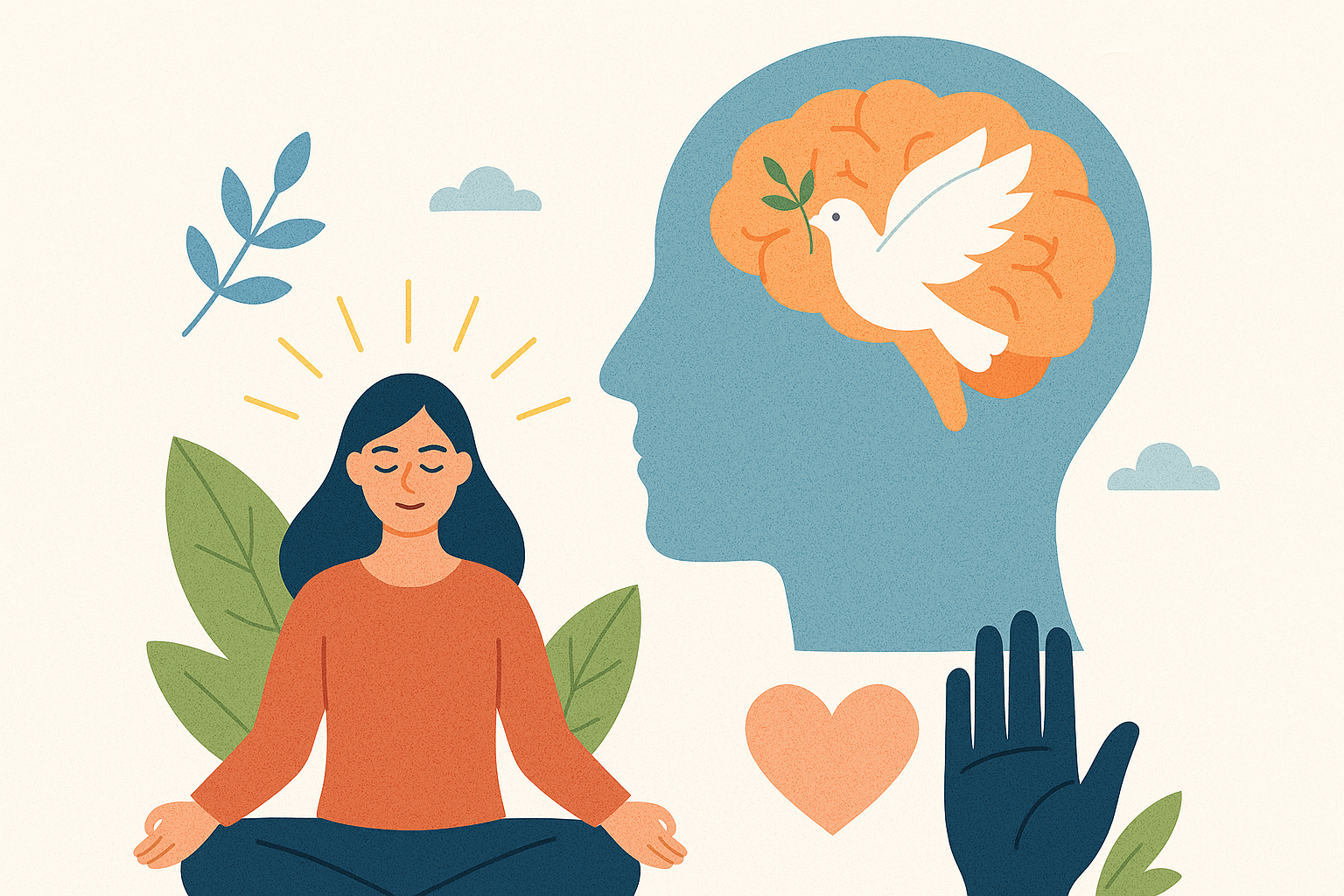
A major reason CPT works is that it starts by demystifying trauma. Clients learn exactly how trauma affects the brain and nervous system — and that their distress is not personal failure, but a natural reaction to overwhelming stress. “Psychoeducation is huge. People realize, ‘It’s not me — it’s what happened to me and how my brain learned to protect me.’ That opens the door for real change.”
A Skill for Life, Not Just a Season
CPT isn’t just a short-term fix. Clients leave with a toolkit they can keep using for life — spotting unhelpful thoughts, testing them against evidence, and shifting to more balanced thinking.
“A client came back after a setback and said, ‘I felt that old ‘not good enough’ feeling — so I did a worksheet and reset myself.’ It’s a skill they own forever.”
Eliot’s Unique Impact: Person-Centered, Adaptable, and Inclusive
What truly sets Eliot apart is how we adapt this proven treatment for clients’ real lived experience — no matter their background or access to resources. Clinicians personalize how worksheets and concepts are delivered. One client’s binder might be filled with colorful stickers, while others’ might live entirely in a secure Google Doc for easy remote use.
And Eliot’s integrated care model means CPT never happens in isolation. Peer specialists, recovery coaches, and groups work together to reinforce new skills in daily life. “If someone struggles with avoidance, their peer or coach might say, ‘Hey, remember your CPT homework?’ It’s not just worksheets — it’s a whole support system keeping them moving forward.”
Clinicians see the impact every day: the quiet moment when someone whispers, “I’m proud of myself” for the first time; the veteran who learns that life can mean more than just surviving.
“At the start, trauma feels like this giant, all-defining thing. By the end, it’s folded into the story of a life — something that happened, but no longer everything.”
Accessible, High-Quality Care for All
Perhaps most powerfully, Eliot brings this leading treatment model to people who are too often overlooked by traditional systems. Many clients have spent years in talk therapy without learning how to truly shift their beliefs and reduce their symptoms. “With CPT, they can feel better in weeks or months — not years. And everyone should have that chance, not just those who can pay privately.”
Next: A Client’s Story of Courage and Recovery
Stay tuned for Part 2 of this series early next week, in which you’ll hear directly from an Eliot client whose journey through our CPT approach shows exactly what healing and hope look like in real life.
On National PTSD Awareness Day and every day, Eliot stands with survivors — proving that when you combine evidence-based care with person-centered compassion and access for all, recovery is not only possible — it’s within reach.
Learn more about Eliot’s trauma-informed care and how you can support our work at www.eliotchs.org.